There are various types of knowledge (see Figure 1 below). Some allow for more creative expression. In essence, all types of conceptual knowledge needs require different formats and are subject to interpretation. In general, the less rigid the required format and the more open the interpretation the greater the creative potential.
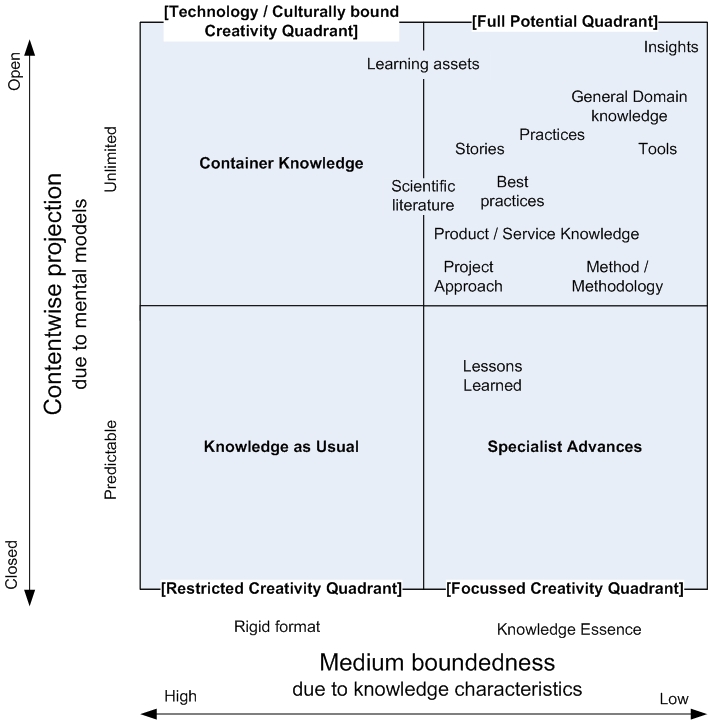 Figure 1: Knowledge Type Creativity Model (adapted from Rosinski, 2021).
Rosinski, L. (2021). Projects with Learning Outcomes. Amazon.
All knowledge has a life cycle. From the moment a piece of knowledge has validity claims (and prior to that) to the end when validity is lost. During its whole life cycle, knowledge is subject to knowledge processes in an organizational or social network setting. These knowledge processes can be presented as a project knowledge value chain, as depicted below.